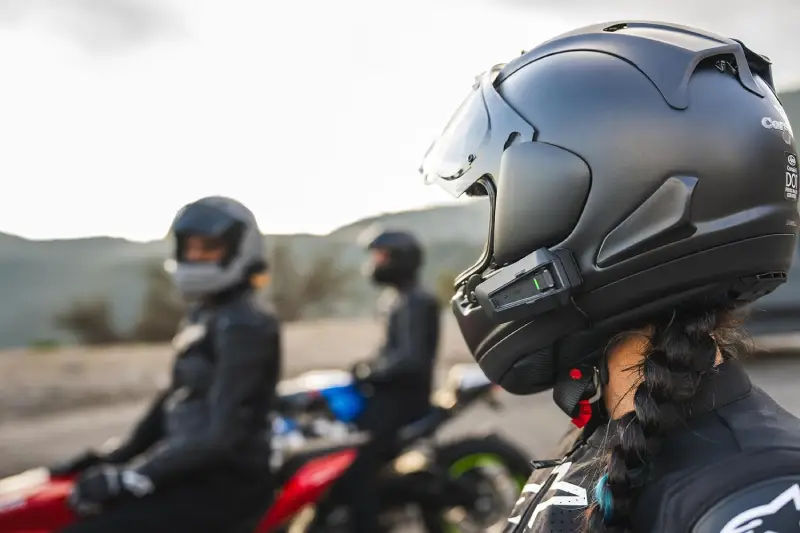

Staying connected on the open road has never been easier, thanks to universal motorcycle headsets and helmet-specific Bluetooth systems. Whether you’re navigating with GPS, chatting with riding buddies, or enjoying music, these devices offer hands-free convenience and safety. But which is better: a universal motorcycle headset that fits any helmet or a helmet-specific system designed for a seamless fit? This guide compares Bluetooth motorcycle helmet systems, focusing on compatibility, installation, flexibility, and user experiences. With insights from Motorcycle News, Gear Patrol, and rider reviews, we’ll help you decide which helmet intercom suits your riding style, budget, and helmet plans. Ready to ride connected? Let’s dive into the debate!
- Why Motorcycle Bluetooth Systems Matter
- What Are Universal and Helmet-Specific Motorcycle Headsets?
- Detailed Comparison: Universal vs Helmet-Specific Headsets
- User Experiences: What Riders Say
- Which is Better? Our Recommendation
- Conclusion: Find Your Perfect Motorcycle Bluetooth System
- FAQs: Universal vs Helmet-Specific Motorcycle Headsets
Why Motorcycle Bluetooth Systems Matter
Helmet intercom systems enhance your riding experience by enabling hands-free communication, navigation, and entertainment. Here’s why choosing the right system is crucial:
Safety: Hands-free controls reduce distractions, keeping your focus on the road.
Convenience: Manage calls, music, or intercoms without fumbling with buttons.
Versatility: Connect with smartphones, GPS, or other riders for seamless communication.
Aesthetics and Fit: A well-integrated system enhances comfort and your helmet’s look.
The choice between universal motorcycle headsets and helmet-specific systems depends on your priorities—flexibility or ease of use. Let’s explore the differences to help you make an informed decision.

What Are Universal and Helmet-Specific Motorcycle Headsets?
Before diving into the comparison, let’s define the two types of Bluetooth motorcycle helmet systems based on insights from Motorcycle News and Gear Patrol:
Universal Motorcycle Headsets: Standalone devices like the Cardo Packtalk Pro ($459) or Sena 60S ($369) designed to fit most helmets. They can be transferred between helmets, offering versatility for riders who switch or upgrade helmets.
Helmet-Specific Systems: Pre-installed or pre-wired systems tailored for specific helmet models, such as the Shoei GT-Air 3 with Sena SRL-03 (£339) or Schuberth E2 with SC2 ($349.99). They provide a seamless, plug-and-play experience but are limited to one helmet.
Understanding these distinctions sets the stage for our detailed comparison of compatibility, installation, and more.
Detailed Comparison: Universal vs Helmet-Specific Headsets
Let’s break down the key differences between universal motorcycle headsets and helmet-specific systems, focusing on compatibility, installation, flexibility, aesthetics, and cost.
Compatibility
Universal Motorcycle Headsets
Universal motorcycle headsets are designed to work with nearly any helmet, making them ideal for riders with multiple helmets or those who ride with friends using different systems. For example, the Cardo Packtalk Pro and Sena 60S fit helmets from HJC, Shoei, and Arai, provided they have speaker cutouts or space for external mounting. Motorcycle News notes that compatibility is rarely an issue, though some Arai models may require specific Sena units due to unique designs. These systems also support cross-brand pairing via Bluetooth bridges, ensuring group ride connectivity. However, helmets without speaker pockets may require DIY modifications, which can affect fit or comfort.
Helmet-Specific Systems
Helmet-specific systems are engineered for particular helmet models, ensuring a perfect fit and optimal performance. For instance, the HJC i71 with HJC 50B ($349.99) is tailored for HJC helmets, while the Shoei GT-Air 3 with Sena SRL-03 integrates seamlessly with Shoei’s design. This limits compatibility to the specific helmet, reducing flexibility if you switch brands or models. Gear Patrol highlights that this can be a drawback for group rides, as you’re tied to the helmet’s system, which may not pair as easily with other brands.
Installation
Universal Motorcycle Headsets
Installing a universal motorcycle headset involves attaching speakers, a microphone, and a control unit to your helmet. Motorcycle News praises models like the Cardo Freecom 4X for straightforward installation, typically taking 10–15 minutes with clear instructions. However, some helmets may require cutting into the lining for speaker placement, which can impact aesthetics or comfort. Gear Patrol warns that installation can be a “battle” for certain models, particularly if the helmet lacks pre-prepared cutouts, potentially affecting audio quality or fit.
Helmet-Specific Systems
Helmet-specific systems are pre-installed or pre-wired during manufacturing, offering a true plug-and-play experience. HiConsumption notes that systems like the Schuberth C5 with SC2 provide a “neater and more comfortable” fit, with no need for manual setup. For example, the Shoei Neotec 2 with SRL2 is ready to use out of the box, saving time and effort. However, if the system fails or becomes outdated, replacing it is challenging, as it’s integrated into the helmet’s design.
Flexibility
Universal Motorcycle Headsets
The evidence strongly favors universal motorcycle headsets for flexibility. You can transfer the system between helmets, making it ideal for riders who own multiple helmets or plan to upgrade. For instance, a Sena 50R purchased today can be used with a new helmet in five years, avoiding the need to replace the entire system. Motorcycle News emphasizes this long-term value, noting that universal systems allow riders to stay up-to-date with technology without buying a new helmet.
Helmet-Specific Systems
Helmet-specific systems offer limited flexibility, as they’re tied to the helmet’s lifespan, typically 5 years. If the technology becomes outdated, you’ll need a new helmet to access updated features, which can be costly. Gear Patrol highlights this drawback, stating that riders are “stuck with that system” for the helmet’s duration, reducing options for upgrades or brand switches.
Aesthetics
Universal Motorcycle Headsets
Universal motorcycle headsets often require external control units, which can appear bulky or less sleek on modern helmets. For example, the Sena 50R may protrude from the side, as noted by HiConsumption, potentially clashing with a helmet’s streamlined design. However, newer models like the Cardo Packtalk Pro/Sena 60S/Reso Pilot Pro use magnetic mounts for a more discreet look, improving aesthetics.
Helmet-Specific Systems
Helmet-specific systems excel in aesthetics, offering a seamless, integrated appearance with no external units. The Schuberth E2 with SC2, for instance, is flush with the helmet, enhancing its sleek design, as per Gear Patrol. This makes them a favorite for riders who prioritize a clean, professional look.
Cost
Universal Motorcycle Headsets
Universal motorcycle headsets are purchased separately, increasing upfront costs. For example, the Cardo Packtalk Pro costs $459, and the Sena 60S is $369. Reso Pilot Pro has the most competitve price at $249 and the most advanced DuoSync mesh communication technology. However, their ability to be reused across helmets offers long-term value, as noted by Motorcycle News. This makes them cost-effective for riders who plan to keep their communicator for years.
Helmet-Specific Systems
Helmet-specific systems are often included in the helmet’s price or sold as an add-on, such as the Schuberth SC2 ($349.99) for specific Schuberth models. While convenient, this ties the system’s cost to the helmet, potentially increasing expenses if you need to replace the helmet for updated technology.
| Aspect | Universal Motorcycle Headsets | Helmet-Specific Systems |
|---|---|---|
| Compatibility | Fits most helmets; ideal for multiple helmets | Limited to specific helmet models |
| Installation | Requires 10–15 min setup; may need modifications | Plug-and-play; no installation needed |
| Flexibility | High; transferable to new helmets | Low; tied to helmet’s lifespan |
| Aesthetics | May look bulky; newer models more discreet | Seamless, integrated look |
| Cost | Separate purchase; long-term value | Included or add-on; tied to helmet cost |
User Experiences: What Riders Say
Real-world feedback from riders on Reddit and expert reviews from Motorcycle News and Gear Patrol provides valuable insights into universal motorcycle headsets and helmet-specific systems:
Universal Motorcycle Headsets: Riders on Reddit, like user common_sensor, praise the Sena 20S Evo for its reliability, easy installation, and excellent sound quality, fitting well on helmets like the HJC C10 ($150, DOT, ECE, Snell certified). The Cardo Freecom 4X is lauded for clear call quality and voice control, with users appreciating its transferability between helmets. This flexibility saves costs over time, as you don’t need to buy a new system with each helmet.
Helmet-Specific Systems: High-end options like the Shoei GT-Air 3 with Sena SRL-03 are praised for seamless integration and great sound quality, even with earplugs, clear up to 100 mph, as noted by user liquidguru. However, Reddit user alzee76 advises against low-quality integrated systems, like those in $100 helmets, citing poor performance and lack of upgradability.
Key Takeaway: Riders lean toward universal motorcycle headsets for their versatility and long-term value, especially for performance-driven riders. Helmet-specific systems are favored for their convenience and aesthetics but may disappoint if the integrated tech is subpar or outdated.
Which is Better? Our Recommendation
Choosing between a universal motorcycle headset and a helmet-specific system depends on your riding needs, budget, and helmet plans. Here’s a breakdown to guide your decision:
Choose a Universal Motorcycle Headset If:
- You own multiple helmets or plan to upgrade frequently, valuing the ability to transfer your helmet intercom to new helmets.
- You ride with friends using different systems, as universal headsets like Cardo and Sena support cross-brand pairing via Bluetooth bridges.
- You’re comfortable with a 10–15-minute installation process and want to stay up-to-date with the latest technology without replacing your helmet.
- Best Picks: Reso Pilot Pro ($249) for flagship features or Cardo Packtalk Pro($459) for perfect sound, Sena 50R (£249.99) for reliable performance.
Choose a Helmet-Specific System If:
- You want a hassle-free, plug-and-play experience with no installation required, ideal for riders who prioritize simplicity.
- You prefer a sleek, integrated look without external units, enhancing your helmet’s aesthetics.
- You’re loyal to a specific helmet brand (e.g., Shoei, Schuberth) and don’t plan to switch helmets often.
- Best Picks: Shoei GT-Air 3 with Sena SRL-03 (£339) for seamless integration or Schuberth E2 with SC2 ($349.99) for a premium look.
Additional Tips for Choosing Your System
- Check Helmet Compatibility: Ensure your helmet has speaker cutouts for universal systems (e.g., HJC C10, Shoei GT2 Air) or matches the specific system’s design.
- Prioritize Features: Look for noise-canceling technology (e.g., VIMOTO V10x’s Witmem AI noise cancellation), long battery life (e.g., Reso Pilot Pro: 19 hours mesh intercom), and voice control for safer riding.
- Consider Group Rides: Universal systems offer better cross-brand compatibility for group communication, as noted by Reddit users like alzee76.
- Budget Wisely: Universal systems provide long-term value by reusing across helmets, while helmet-specific systems may require new purchases with helmet upgrades.
Checklist for Choosing a Bluetooth System:
- Matches your helmet type and riding style (solo, group, or mixed).
- Fits your budget and installation preferences.
- Offers reliable helmet intercom features like noise cancellation and voice control.
- Supports your plans for helmet upgrades or group rides.
Explore top options at RevZilla or MotoMelody for the best deals on Bluetooth motorcycle helmet systems.
Conclusion: Find Your Perfect Motorcycle Bluetooth System
Whether you’re a tech-savvy rider seeking flexibility or a minimalist craving simplicity, choosing between a universal motorcycle headset and a helmet-specific system is about aligning with your riding needs. Universal systems like the Cardo Packtalk Pro, Reso Pilot Pro and Sena 60S offer unmatched versatility and upgradability, perfect for riders with multiple helmets or group ride plans. Helmet-specific systems, like the Shoei GT-Air 3 with Sena SRL-03, deliver a seamless, hassle-free experience with a sleek look, ideal for brand-loyal riders. Weigh your priorities—compatibility, installation, and long-term value—to find the best Bluetooth motorcycle helmet system. Ready to enhance your rides with a helmet intercom? Check out our top picks at MotoMelody and share your thoughts in the comments below!
FAQs: Universal vs Helmet-Specific Motorcycle Headsets
1. What is the best universal motorcycle headset for group rides?
The Cardo Packtalk Pro and Sena 50R, Reso Pilot Pro are top choices, supporting up to 15 and 24, 30 riders, respectively, with Mesh technology for stable helmet intercom communication.
2. Are helmet-specific systems easier to use than universal headsets?
Yes, helmet-specific systems like the Schuberth E2 with SC2 are plug-and-play, requiring no installation, while universal motorcycle headsets need 10–15 minutes of setup.
3. Can universal motorcycle headsets work with any helmet?
Most universal headsets fit helmets with speaker cutouts (e.g., HJC, Shoei), but some models, like certain Arai helmets, may require specific units or modifications.
4. Are helmet-specific systems worth the cost?
Helmet-specific systems are worth it for riders who value convenience and aesthetics and don’t plan to switch helmets often, but universal systems offer better long-term value.